
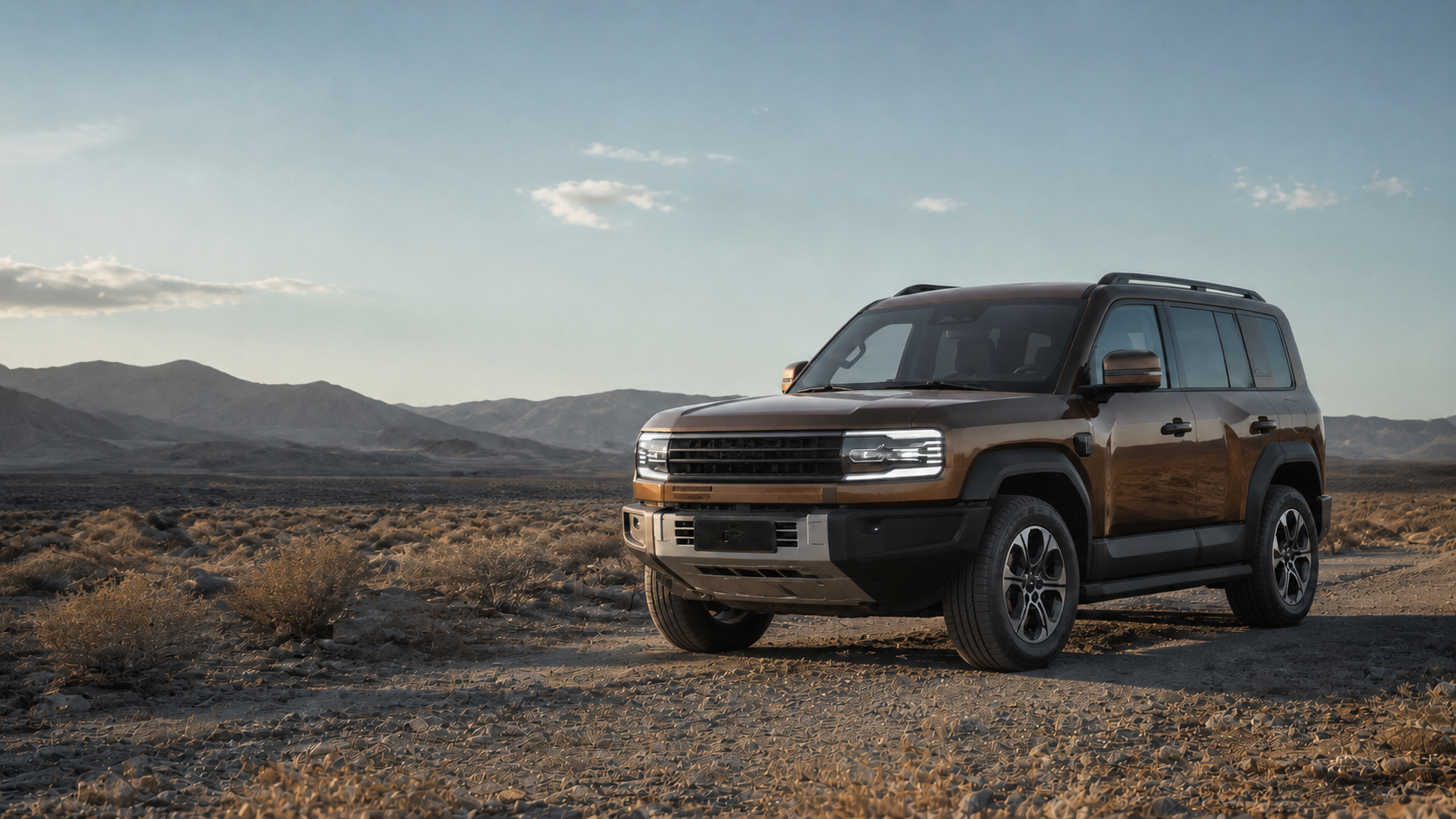
Identify the two versions rather than the model name
Obtain the VIN, production record, original market and applicable version documents for each actual offer. The manufacturer’s current product information distinguishes a flash-charging edition, but a current brochure does not describe every earlier Bao 5. Keep battery, charging, suspension and assistance identities attached to the candidate. The version guide organises those records without translating one edition’s equipment into another. A seller’s recent registration date does not by itself establish a new technology version. If the installed systems cannot be identified, do not price the candidate as the advertised edition until the discrepancy is resolved.
Test whether charging access changes the daily task
List the charging locations you can legitimately and repeatedly use, including equipment, connector, operating conditions and practical access. Ask qualified providers about compatibility with the candidate instead of assuming any high-power station can deliver the advertised result. The fast-charging assessment separates installed capability from a particular charging session. A shorter theoretical stop is not useful when compatible infrastructure is unavailable along the route. Keep ordinary home or workplace access beside occasional road-trip charging. Record what has been checked and what remains conditional rather than presenting a marketing demonstration as your guaranteed daily charging time.
Compare useful driving and carrying improvements
Define passenger, luggage, parking and route requirements for the same buyer on both offers. Identify which additional working features improve that task and which are optional preferences. The remote-route purchase fit can reveal that receiving support matters more than a charging headline for some journeys. Do not assume a newer version changes all physical load limits or makes every accessory suitable. Compare actual installed equipment, current operation and attributable documents. Where charging or assistance functions depend on regional infrastructure or services, keep those limits beside the feature rather than counting a theoretical capability as an unconditional benefit.
Examine condition on an equivalent boundary
For used candidates, obtain appropriate current pack, thermal, underbody, charging and engine-system findings on both vehicles. The battery report interpretation keeps diagnostic scope and limitations visible. A newer production record does not establish better present condition, and an older unit is not proven inadequate by its age alone. For new offers, verify production, sale and actual specification while retaining storage or transport condition questions. Do not compare a thoroughly examined older candidate with an unexamined newer advertisement as though their evidence is equivalent. Further consequential diagnosis remains an acceptance condition, not a precise assumed repair deduction.
Put the premium on a supported ownership boundary
Request dated quotations for preparation and receiving service applicable to each candidate’s installed systems. A workshop able to service an earlier unit may need different equipment or knowledge for a later edition, so verify actual support rather than assuming continuity. Extend the complete price guide into the three-year ownership worksheet with labelled duty and resale assumptions. Compare buyer-ready acquisition, useful charging access and service practicality. Do not calculate guaranteed payback from a brochure charging speed or claimed fuel figure. The premium must remain understandable when unsupported future services and speculative resale value are removed.
Record the reason for choosing one actual candidate
Keep the selected version, useful capability, compatibility evidence, current condition and remaining limitations in the purchase equipment schedule. State which benefit justifies the real prepared difference for this owner. If the earlier vehicle meets the task and support requirements, a newer label alone need not win; if verified later capability materially improves a frequent task, it can be legitimate value. A changed VIN requires a fresh comparison. Do not describe a choice as universally best or claim later hardware can simply be retrofitted to an earlier unit without applicable engineering and commercial evidence.
Compare the acceptance conditions
- Later edition
- Value only verified improvements you can use with compatible infrastructure and receiving support.
- Earlier edition
- Compare accepted condition and sufficient capability against the actual prepared saving.
- Conditional
- Resolve installed identity and compatibility before treating advertised charging as purchase value.
Buyer evidence checklist
- Identify both actual versions and their installed systems.
- Confirm legitimate compatible charging locations.
- Compare current condition on the same examination scope.
- Obtain receiving support for each offered version.
- Retain the reason for the premium in the schedule.
Questions before you buy
Does a current brochure describe every used Bao 5?
No. Match documentation and installed systems to the offered VIN and version.
Can faster advertised charging guarantee purchase payback?
No. Usable infrastructure, duty, actual session conditions and complete ownership assumptions matter.
Primary and regional references
Each reference describes its own market or commercial scope; it does not identify the offered VIN or prove its condition or availability.
Fangchengbao current Bao 5 product information ↗