
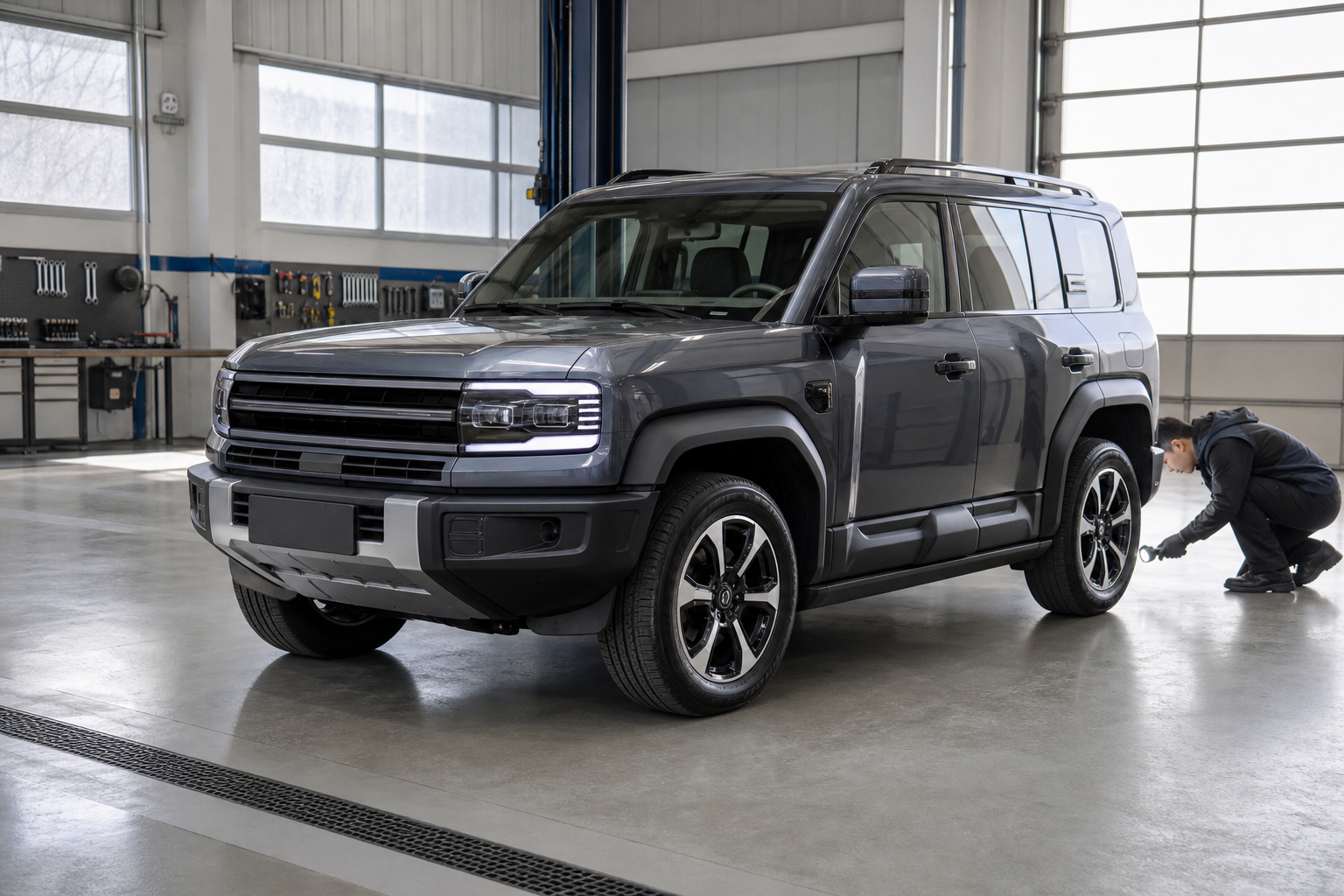
Tie the report to the vehicle
Request the VIN, test date, mileage, battery identity where available and the provider's details. Compare these with the candidate file and applicable Bao 5 version information. A screenshot without identifiers may belong to another car or an earlier assessment. Preserve the complete report rather than only the most favourable result. If a battery or related assembly has been replaced, obtain documentation and have the technician explain how that affects identification and interpretation. Do not assume the advertised year uniquely determines the fitted battery.
Ask what the reported number means
The provider should explain whether the figure is a diagnostic estimate, a measured test result or another indicator, including the tool and method used. A displayed charge percentage is not battery health. Estimates from different systems may not be directly comparable. Avoid turning a rounded number into a precise prediction of remaining life. Ask what the method can establish and what it cannot. If the seller cannot explain the source, treat the number as an unsupported claim until competent testing provides a usable context.
Record conditions that affect interpretation
Request relevant information such as temperature, starting charge state and the procedure followed. Recent charging, storage and operating conditions may affect observations, and a short workshop test has limits. Do not prescribe an improvised full-discharge exercise to obtain a more impressive measurement. The qualified provider should use an appropriate supported procedure. When comparing two candidates, prefer results obtained under reasonably comparable methods and conditions. If that is impossible, report the difference rather than ranking the vehicles solely by two percentages displayed on unrelated tools.
Review diagnostic findings and repairs
Ask for relevant fault information and any documented repair history before codes are cleared. A clean scan after clearing is not equivalent to a history without faults. The technician should distinguish current, stored and resolved findings where the available system permits. Retain invoices for battery, cooling or charging work and the verification that followed. Do not infer a defective battery from a warning without diagnosis. Conversely, do not dismiss warnings solely because the seller presents a high health estimate from a separate screen.
Pair data with physical inspection
Include a professional assessment of accessible underbody protection, enclosure condition and evidence of impact or water exposure. No buyer should open or probe high-voltage equipment. Use the underbody and water-exposure guide to define relevant inspection scope. A favourable electronic estimate cannot certify that the enclosure is undamaged, and a clean exterior does not establish internal performance. The report should explain inaccessible areas and recommended specialist follow-up rather than imply that either visual or diagnostic evidence alone is sufficient.
Assess charging and route performance separately
A supported charging session and a suitable road assessment can provide additional observations, but they do not replace a battery report. Compare interruptions or unusual behaviour with the charging and thermal review. Range observed on a short route should not be treated as a universal capacity measurement. Weather, speed and powertrain operation complicate that inference. Keep each piece of evidence labelled by what it actually shows, then ask the qualified reviewer whether the combined findings justify further testing or a repair requirement.
Make uncertainty part of the decision
Imagine two reports: one has a high percentage with no method, while the other includes a slightly different estimate, full identifiers and a competent explanation. The second may be more useful evidence even though its headline number looks less attractive. Define the acceptance criteria with the inspector, considering condition, support and intended use. Do not invent a universal minimum percentage that guarantees a safe purchase. If essential questions remain open, obtain specialist assessment or choose another candidate rather than converting missing evidence into a confident conclusion.
Buyer checklist
- Keep the full identified report and its method.
- Separate state of charge from health estimates and measured results.
- Combine diagnostics with qualified physical inspection.
- Record uncertainty instead of promising remaining battery life.
Questions and answers
Is a high health percentage a battery guarantee?
No. Its meaning depends on the method and conditions, and it does not establish every physical or operational aspect of the battery.
Can range from one short drive prove capacity?
No. Route, weather and powertrain operation affect range. Use an appropriate qualified assessment rather than converting a short trip into a capacity claim.
Reference information
Use the applicable market and year documentation for equipment and operating limits. The references have their own market and publication scope; they do not establish the condition, fitted equipment or destination approval of an individual vehicle.
Continue with the Bao 5 inspection checklist, or send your vehicle requirements.