
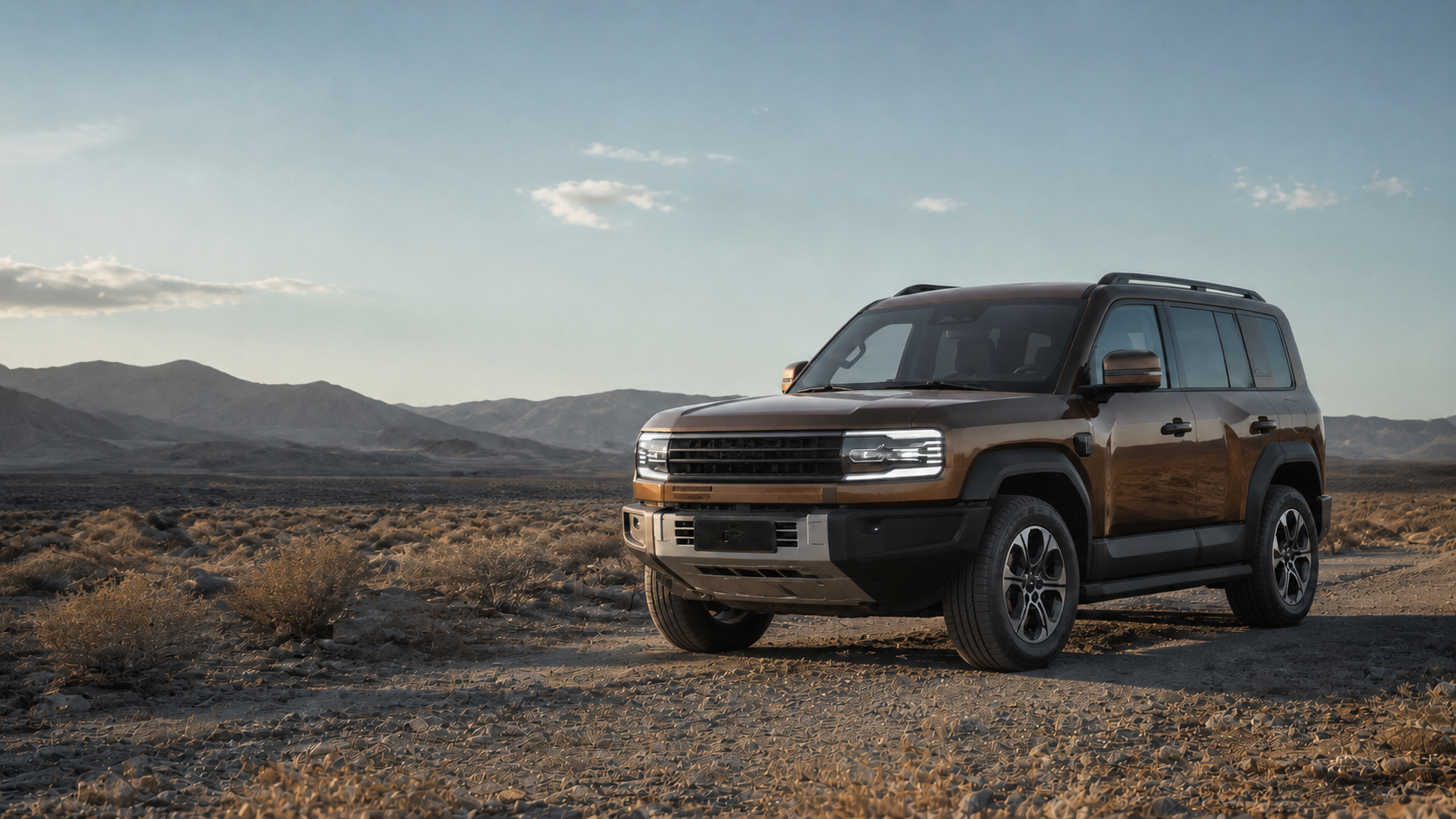
The decision on inspect a bao 5 after water and underbody exposure stays attached to one selected VIN. Record qualify the published wading figure, look for an exposure history and inspect the battery and protection before comparing routes; keep check driveline and fluids, test sensors and electronics and create a post-exposure plan visible through quotation and handover.
Continue the evidence route: Place water evidence inside the broader used Bao 5 inspection, relate protection and recovery to the off-road hardware guide, and check the high-voltage chain through the DMO battery and charging guide. Roof or upper-cabin moisture should continue into the panoramic-roof water-ingress check rather than being attributed automatically to wading.
Qualify the published wading figure
Match the official claim to version, tyre, ride height, water condition and operating instructions. Depth alone does not describe current, bottom surface, entry speed, wave height, duration or damage risk, and destination warranty assumptions may differ.
Evidence threshold. For qualify the published wading figure, Save the source date and candidate version beside any depth figure. Link qualify the published wading figure to the VIN and source date. Name who checked qualify the published wading figure, and retain enough detail for another reviewer to reproduce the result.
Look for an exposure history
Ask about river crossings, flooding, recovery and cleaning. Inspect silt, organic debris, water lines, odour, corrosion, replaced carpet, seat rails, cavities, lamps and connectors; a pressure-washed underbody does not close the question.
Failure condition. For look for an exposure history, Map evidence from cabin height down to the frame and axles. If look for an exposure history stays open, specify whether to reject, reprice or reinspect. Do not treat seller silence about look for an exposure history as supporting evidence.
Inspect the battery and protection
Check enclosure and guard surfaces, mounting points, seal areas, cooling lines, high-voltage connectors and impact evidence without opening protected components outside approved procedures. Pair physical evidence with diagnostic and thermal-system data.
Destination effect. Refer any seal, isolation or enclosure concern to a qualified high-voltage specialist. Ask the destination adviser whether inspect the battery and protection changes customs or registration. Check charging, road use and service separately when inspect the battery and protection affects them, then retain the dated response.
Check driveline and fluids
Inspect axle, differential, transmission or reduction components, breathers, oils where service procedures allow, bearings, brakes and lubrication points. Water intrusion can remain hidden after exterior cleaning and may require dated follow-up rather than one visual pass.
Cost effect. Record fluid samples, service findings and inaccessible components. Price check driveline and fluids as its own inspection or preparation line. If check driveline and fluids creates compliance risk, show the contingency clearly rather than burying it in a general discount.
Test sensors and electronics
Scan relevant modules and test cameras, radar, parking sensors, wading display, lighting, locks, windows, seats and charging. Intermittent faults, connector corrosion or repaired harnesses should remain visible even if a short test succeeds.
Custody check. Preserve full scans and warning history before clearing codes. Reconfirm test sensors and electronics at each custody transfer. Seller, inspector, transporter and port records for test sensors and electronics should remain dated and tied to the same VIN.
Create a post-exposure plan
Separate immediate safety work, fluid or connector checks, drying, corrosion prevention and later reinspections. A vehicle with uncertain flood exposure should not be approved through a discount without a credible technical scope and destination acceptance.
Replacement rule. Assign hold points before payment, loading and first road use. A substitute must repeat every check for create a post-exposure plan. Similar colour, mileage or trim cannot transfer the previous VIN’s conclusion about create a post-exposure plan to another vehicle.
Read the water path
Trace possible entry from breathers, seals, doors, floor plugs, vents, harness passages and damaged protection. Compare left and right cavities and preserve samples or photographs before cleaning. The absence of standing water does not prove electronics, insulation or lubricants were never exposed.
Keep high-voltage boundaries strict
Do not open a traction-battery enclosure or disconnect high-voltage hardware without approved procedures, isolation and competence. Use enclosure condition, diagnostics, isolation results where supported and thermal behaviour to decide whether specialist inspection is required. A normal state-of-charge display is not a seal test.
Separate off-road marks from flood evidence
Mud on guards may reflect ordinary trail use, while clean carpet can follow replacement after deeper exposure. Build a consistent timeline from seller statement, media, service records, corrosion pattern, fluid condition and diagnostics. Contradictions should lower confidence rather than force a simple flooded/not-flooded label.
Prepare an arrival recheck
List fluids, connectors, warnings, charging, brake behaviour and corrosion points that require inspection after shipping. Give the receiving workshop baseline photographs and prohibited-use conditions before the vehicle is cleaned or driven.
Primary model and market references
Official sources describe their own publication date and market. Confirm the selected VIN before applying a figure.
Close the file without hiding open items.
Close “Inspect a Bao 5 After Water and Underbody Exposure” with the candidate VIN, source date and the evidence used for qualify the published wading figure and look for an exposure history. Name rejected alternatives and unresolved questions, then assign responsibility for test sensors and electronics and create a post-exposure plan. A changed vehicle or destination reopens the affected checks.
- Qualify the published wading figure: confirmed / open / not applicable
- Look for an exposure history: confirmed / open / not applicable
- Inspect the battery and protection: confirmed / open / not applicable
- Check driveline and fluids: confirmed / open / not applicable
- Test sensors and electronics: confirmed / open / not applicable
- Create a post-exposure plan: confirmed / open / not applicable
Three questions before commitment
What closes “Qualify the published wading figure”?
Save the source date and candidate version beside any depth figure. For qualify the published wading figure, attach a dated source and candidate identifier, then name who produced or verified the record. A listing label is not enough to close this checkpoint.
What closes “Look for an exposure history”?
Map evidence from cabin height down to the frame and axles. Mark look for an exposure history as confirmed only when the supporting record matches the VIN and route assumptions. Otherwise show the item as open in the quotation or inspection scope.
What closes “Inspect the battery and protection”?
Refer any seal, isolation or enclosure concern to a qualified high-voltage specialist. If records about inspect the battery and protection conflict, preserve both sources and ask the responsible party to resolve the difference before deposit, preparation or shipping instructions.