
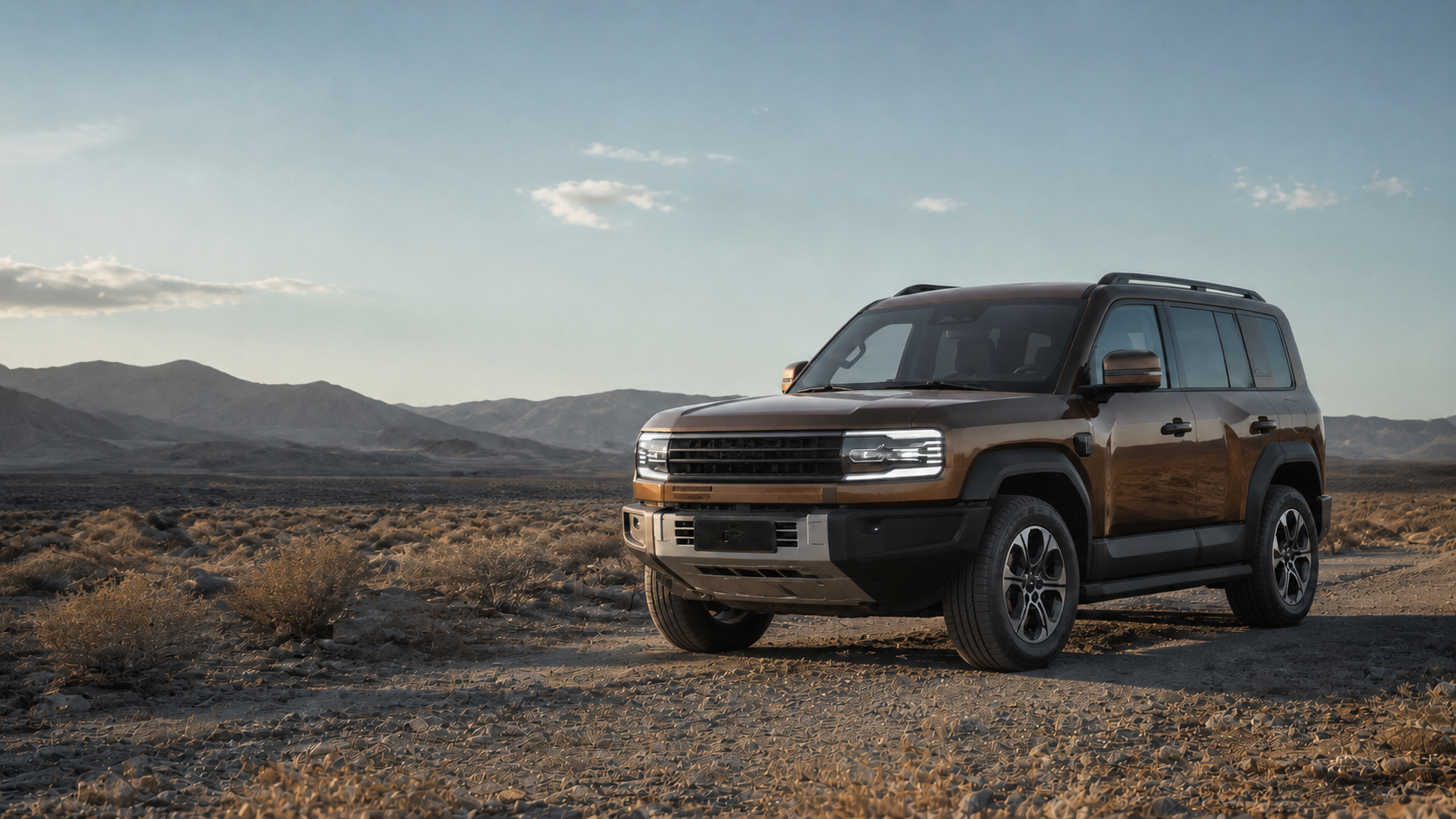
The decision on inspect the bao 5 dmo engine and thermal systems stays attached to one selected VIN. Record confirm the exact powertrain, request a genuine cold start and inspect fuel and oil evidence before comparing routes; keep map the cooling circuits, test under controlled load and recheck after shutdown visible through quotation and handover.
Continue the evidence route: Identify the energy chain in the DMO battery and charging guide, compare route demand through the range and fuel-use plan, and price service in the ownership support file. Cabin-temperature complaints require the air-conditioning and cabin thermal check, while unexplained vibration should continue into the DMO noise and vibration route.
Confirm the exact powertrain
Use VIN, production records, labels and diagnostics to identify engine, battery and installed thermal hardware.
Evidence threshold. For confirm the exact powertrain, Keep model year and version beside every procedure. Link confirm the exact powertrain to the VIN and source date. Name who checked confirm the exact powertrain, and retain enough detail for another reviewer to reproduce the result.
Request a genuine cold start
Record state of charge, ambient condition, warning proof, sound, idle and transition into hybrid operation.
Failure condition. For request a genuine cold start, Do not accept a pre-warmed engine without noting the limitation. If request a genuine cold start stays open, specify whether to reject, reprice or reinspect. Do not treat seller silence about request a genuine cold start as supporting evidence.
Inspect fuel and oil evidence
Check leaks, odour, oil condition, fuel age or storage information and maintenance records.
Destination effect. Separate visible condition from laboratory or diagnostic conclusions. Ask the destination adviser whether inspect fuel and oil evidence changes customs or registration. Check charging, road use and service separately when inspect fuel and oil evidence affects them, then retain the dated response.
Map the cooling circuits
Inspect accessible reservoirs, hoses, radiators, pumps, fans, guards and contamination or repair evidence.
Cost effect. Label which circuit and component each finding concerns. Price map the cooling circuits as its own inspection or preparation line. If map the cooling circuits creates compliance risk, show the contingency clearly rather than burying it in a general discount.
Test under controlled load
Observe temperatures, power transitions, warnings, response and abnormal smell on a safe route.
Custody check. State speed, load, climate and test duration. Reconfirm test under controlled load at each custody transfer. Seller, inspector, transporter and port records for test under controlled load should remain dated and tied to the same VIN.
Recheck after shutdown
Look for leaks, pressure loss, heat damage, faults and repeatable fan or pump behaviour.
Replacement rule. Repeat affected checks after any repair. A substitute must repeat every check for recheck after shutdown. Similar colour, mileage or trim cannot transfer the previous VIN’s conclusion about recheck after shutdown to another vehicle.
Do not let EV mode hide the engine
A full battery can postpone engine operation; plan a safe test that exercises the complete system.
Keep cooling circuits distinct
Engine, battery, power electronics and cabin systems may have different paths and diagnostic implications.
Set stop criteria before load
Warnings, unstable temperature, coolant loss or fuel leakage end the test.
Prepare destination support
Confirm fluids, filters, diagnostic capability and thermal-system parts before purchase.
Primary model and market references
Official sources describe their own publication date and market. Confirm the selected VIN before applying a figure.
Close the file without hiding open items.
Close “Inspect the Bao 5 DMO Engine and Thermal Systems” with the candidate VIN, source date and the evidence used for confirm the exact powertrain and request a genuine cold start. Name rejected alternatives and unresolved questions, then assign responsibility for test under controlled load and recheck after shutdown. A changed vehicle or destination reopens the affected checks.
- Confirm the exact powertrain: confirmed / open / not applicable
- Request a genuine cold start: confirmed / open / not applicable
- Inspect fuel and oil evidence: confirmed / open / not applicable
- Map the cooling circuits: confirmed / open / not applicable
- Test under controlled load: confirmed / open / not applicable
- Recheck after shutdown: confirmed / open / not applicable
Three questions before commitment
What closes “Confirm the exact powertrain”?
Keep model year and version beside every procedure. For confirm the exact powertrain, attach a dated source and candidate identifier, then name who produced or verified the record. A listing label is not enough to close this checkpoint.
What closes “Request a genuine cold start”?
Do not accept a pre-warmed engine without noting the limitation. Mark request a genuine cold start as confirmed only when the supporting record matches the VIN and route assumptions. Otherwise show the item as open in the quotation or inspection scope.
What closes “Inspect fuel and oil evidence”?
Separate visible condition from laboratory or diagnostic conclusions. If records about inspect fuel and oil evidence conflict, preserve both sources and ask the responsible party to resolve the difference before deposit, preparation or shipping instructions.