
Identify the exact seating arrangement
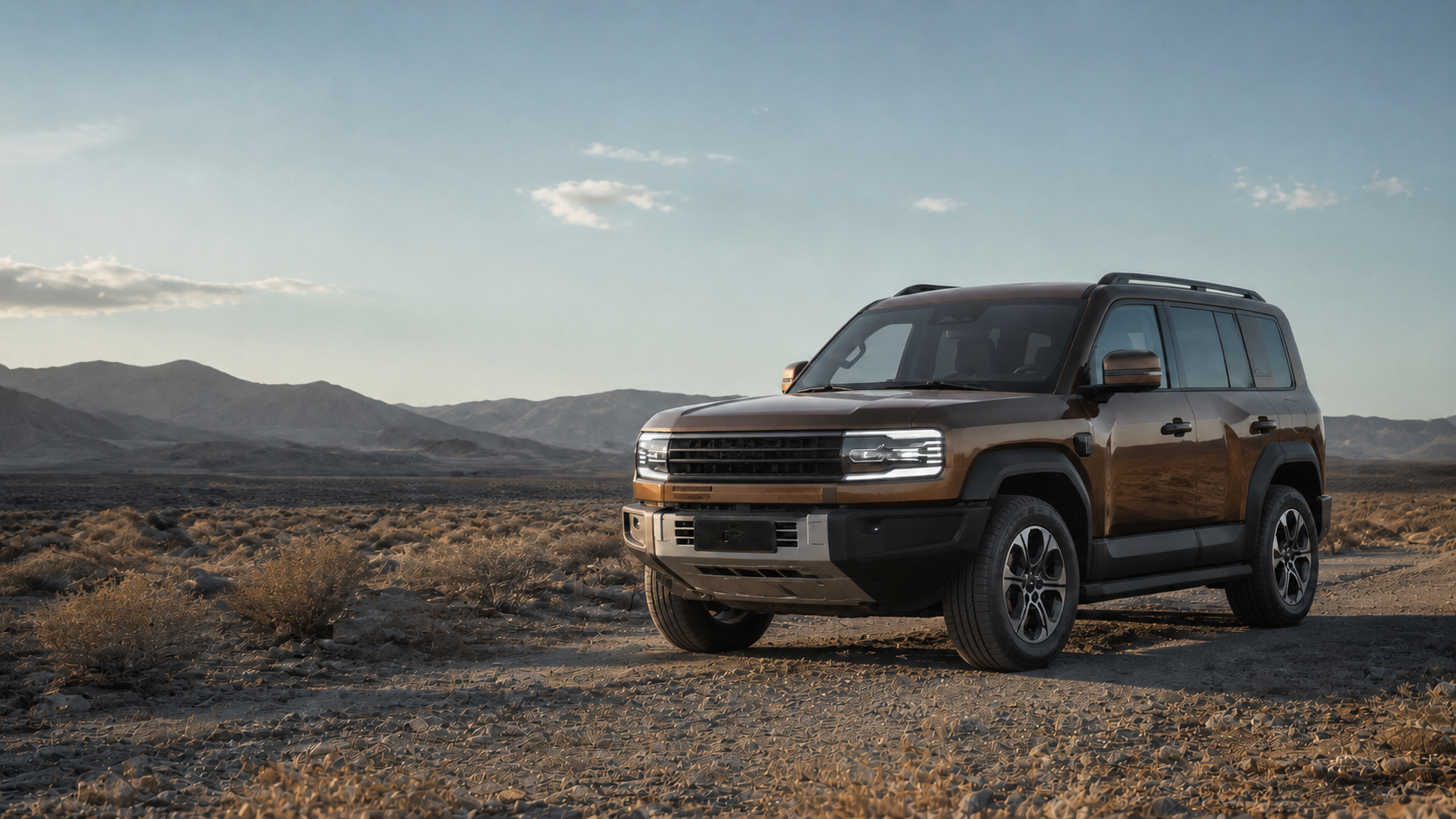
Request photographs of the seats, belts, marked restraint anchorages and relevant manual pages. Match them to the selected version and any interior modifications. Do not infer approved child-seat positions from a wide cabin photograph. If a support leg, tether or other installation feature is required, have its suitability checked explicitly. Luggage hooks and accessory mounting points are not substitutes for approved anchorages. The Bao 5 version record should identify the candidate before the family assessment begins, particularly when sales images show a different vehicle.
Preserve the normal driving position
Set the driver's seat for the actual driver before checking a restraint behind it. Assess the front passenger separately, including any clearance requirements in the applicable instructions. A rear-facing seat may fit in one configuration but leave an unsuitable front seating position in another. Do not solve the problem by ignoring manual restrictions or crowding the driver. If the buyer cannot attend, use dimensions and detailed images for preliminary screening while keeping final installation approval conditional on the actual restraint and vehicle combination.
Check the complete passenger combination
Install or assess all required restraints together, then check buckle access and any intended additional passenger. Individual successful fits do not guarantee that the combined arrangement works. Record the exact restraint models, seating positions and adjustments used. A different seat or booster can change the outcome. Avoid treating a nominal passenger count as a promise of comfort or restraint compatibility. The useful result is a documented arrangement that meets the family's actual needs, not a broad statement that the rear bench is spacious.
Evaluate steps and child loading
Assess the height and stability of access, the door opening and the adult's ability to place and buckle a child without unsafe balancing. If steps or suspension-related features are fitted, use them only as instructed and verify the actual equipment. Do not assume another trim's access feature is present. Tight parking and wet conditions can change everyday convenience. Keep the assessment stationary and supervised. A family buyer may reasonably prefer a more convenient access arrangement even when both candidate vehicles offer enough measured interior space.
Plan luggage without compromising seating
Check the real stroller, bags and other routine items or their reliable dimensions. Confirm that they pass through the opening and can be secured with all required passenger seats available. Do not count space gained by folding a seat needed for a child. Heavy accessories and luggage also affect the payload plan; exterior size is not an unlimited loading allowance. For a camping family, separate occasional roof or trailer arrangements from the everyday luggage requirement rather than assuming every journey uses the same configuration.
Review used-car restraints and repairs
Ask the inspector to assess belts, buckles, seat locks and relevant repair evidence within the authorised scope. A clean cabin does not establish that safety components were unaffected by earlier damage. Connect concerns to the frame and repair assessment. Any included used child restraint requires its own trustworthy history and suitability review. The condition of the car, the condition of the child seat and correct installation are distinct responsibilities. A satisfactory answer to one does not remove the need to check the others.
Turn the family requirement into an acceptance test
Specify the restraint models, passenger heights, stroller dimensions and parking constraints in the enquiry. For example, two rear-facing seats plus a frequently used front passenger position should be checked as that exact requirement, not replaced with a demonstration using smaller boosters. Identify which compromises are acceptable before comparing prices. Where only remote evidence is available, distinguish measured feasibility from completed fit approval. This makes the final decision practical and honest, and reduces the chance that a visually impressive SUV proves awkward for its main daily purpose.
Buyer checklist
- Verify approved restraint positions and actual equipment.
- Assess the complete family arrangement at normal front-seat settings.
- Check access height, door clearance and secure luggage space.
- Retain fit limitations and used-car safety-component findings.
Questions and answers
Does the Bao 5 body size guarantee three child seats fit?
No. Restraint design, approved positions, buckle access and the actual vehicle arrangement must be assessed together.
Can an included used child seat be accepted automatically?
No. It needs its own reliable history, suitability and condition assessment, separate from the vehicle inspection.
Reference information
Use the applicable market and year documentation for equipment and operating limits. The references have their own market and publication scope; they do not establish the condition, fitted equipment or destination approval of an individual vehicle.
Continue with the Bao 5 buying guide, or send your vehicle requirements.